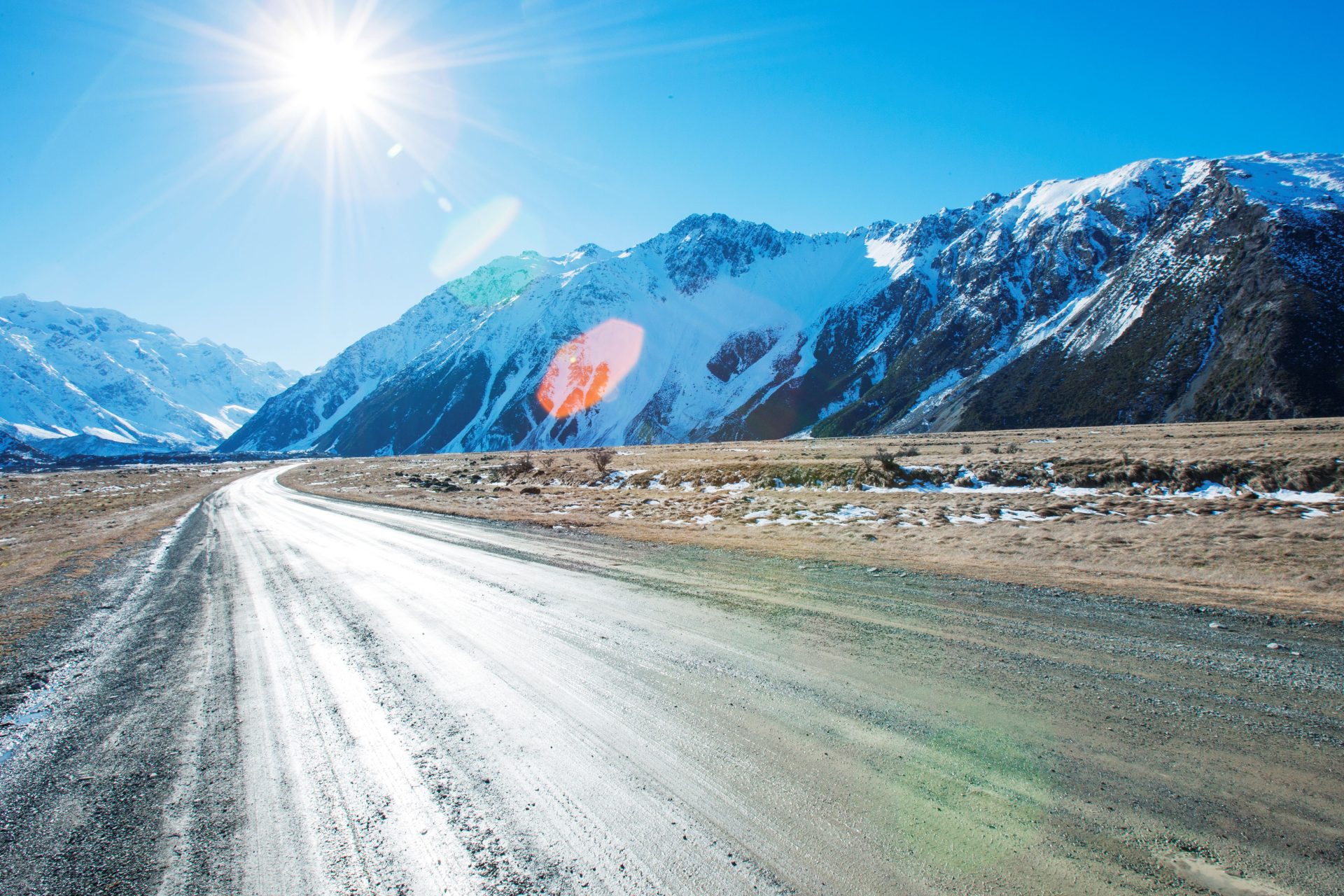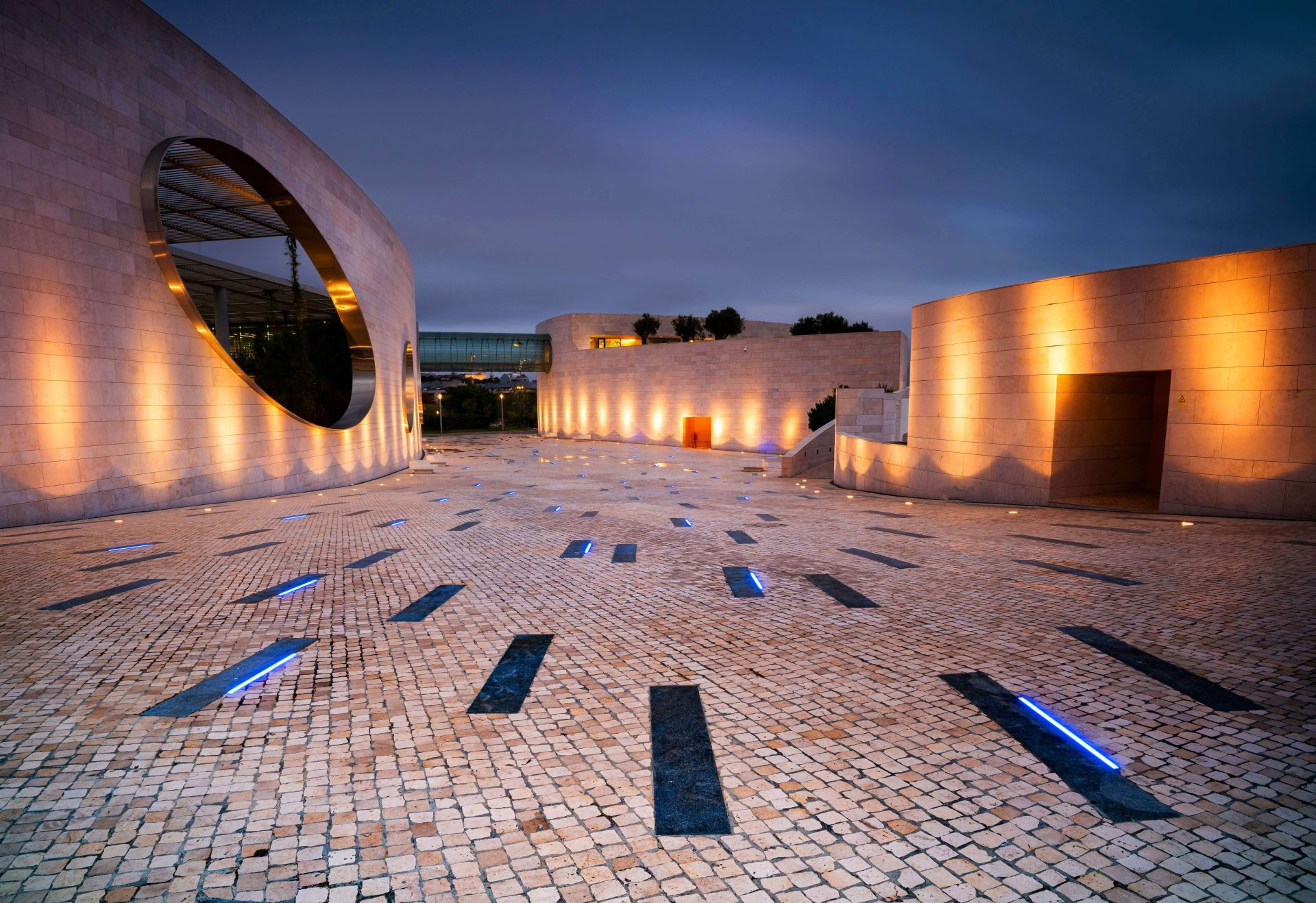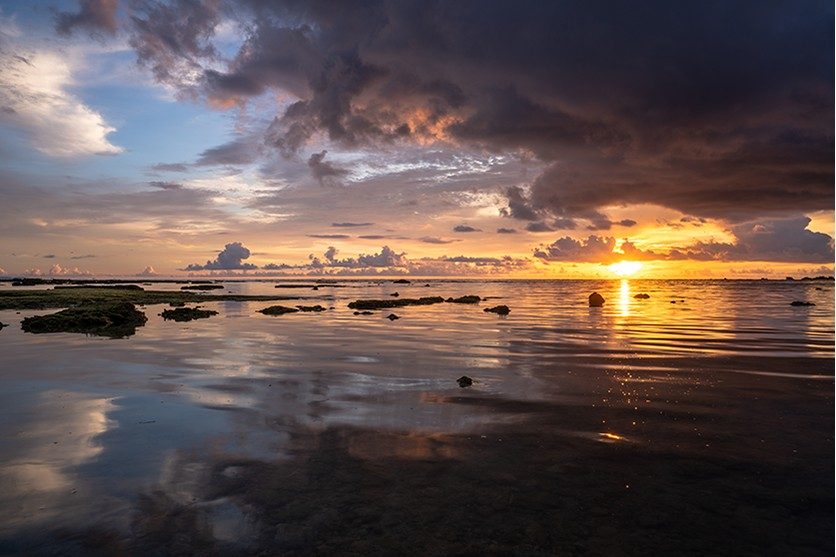
Exposure is the single decision that most shapes how a photograph looks, and it is the one South African light makes hardest. A camera meter is a reasonable instrument that reaches reasonable conclusions, but under a clear summer sky at altitude it will hand you a sky without colour, a face in shadow, or beach sand rendered a dull grey. None of those are faults. They are the meter doing exactly what it was designed to do, on a scene it was not designed for. This article covers what exposure is, the three settings that determine it, and how exposure compensation lets you overrule the camera when its answer is not the one you wanted.
What is exposure, and how exposure works
Exposure is the total quantity of light the image sensor receives while the shutter is open. Too much and the image is pale and washed out, with white areas holding no detail. Too little and it is dark and muddy, with shadows that contain nothing to recover.
How exposure works in practice is a matter of three controls