Toggle Nav

Understanding Angle of View in Photography: Choosing the Right Lens in South Africa
January 28, 2026
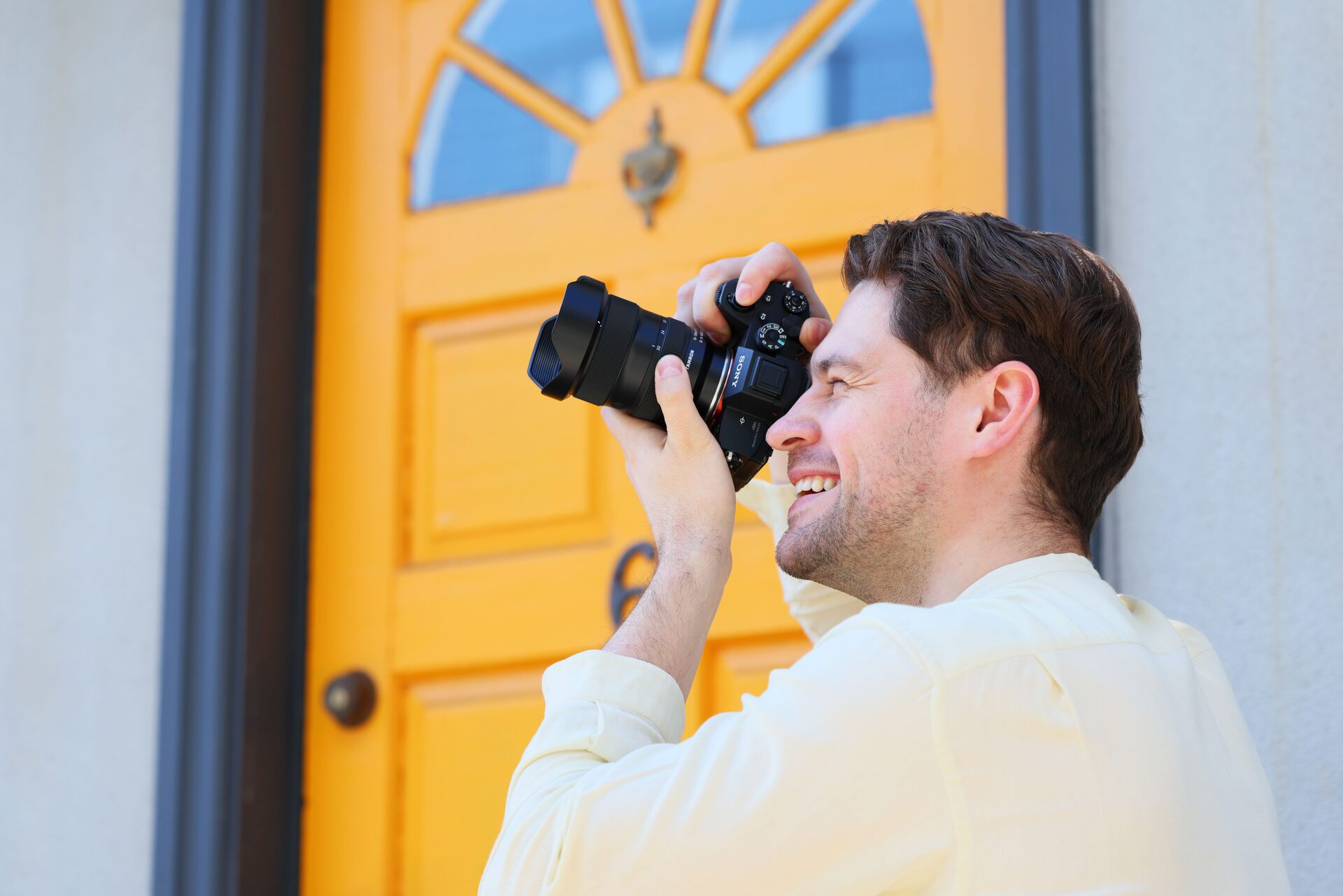
Photography is all about capturing the world from your perspective, and one of the most essential concepts to understand is angle of view in photography. Your choice of lens determines how much of a scene you can capture, whether it's the sweeping landscapes of the Drakensberg, the wildlife in Kruger National Park, or the vibrant streets of Cape Town.
Knowing your camera angle of view helps you plan your shots, choose the right lens, and achieve creative results that bring your vision to life.

What is Angle of View in Photography?
The angle of view refers to the extent of a scene that a lens can capture in a photograph. It’s usually expressed in degrees and depends on both the focal length of the lens and the size of the camera sensor.
For photographers in South Africa, understanding angle of view is crucial for diverse shooting conditions—from the wide vistas along the Garden Route to the intimate wildlife moments on a safari.
Focal Length and Angle of View: Choosing the Right Lens for South African Scenes
The relationship between focal length and angle of view is simple: short focal lengths create a wide angle of view, while longer focal lengths create a narrower view.
-
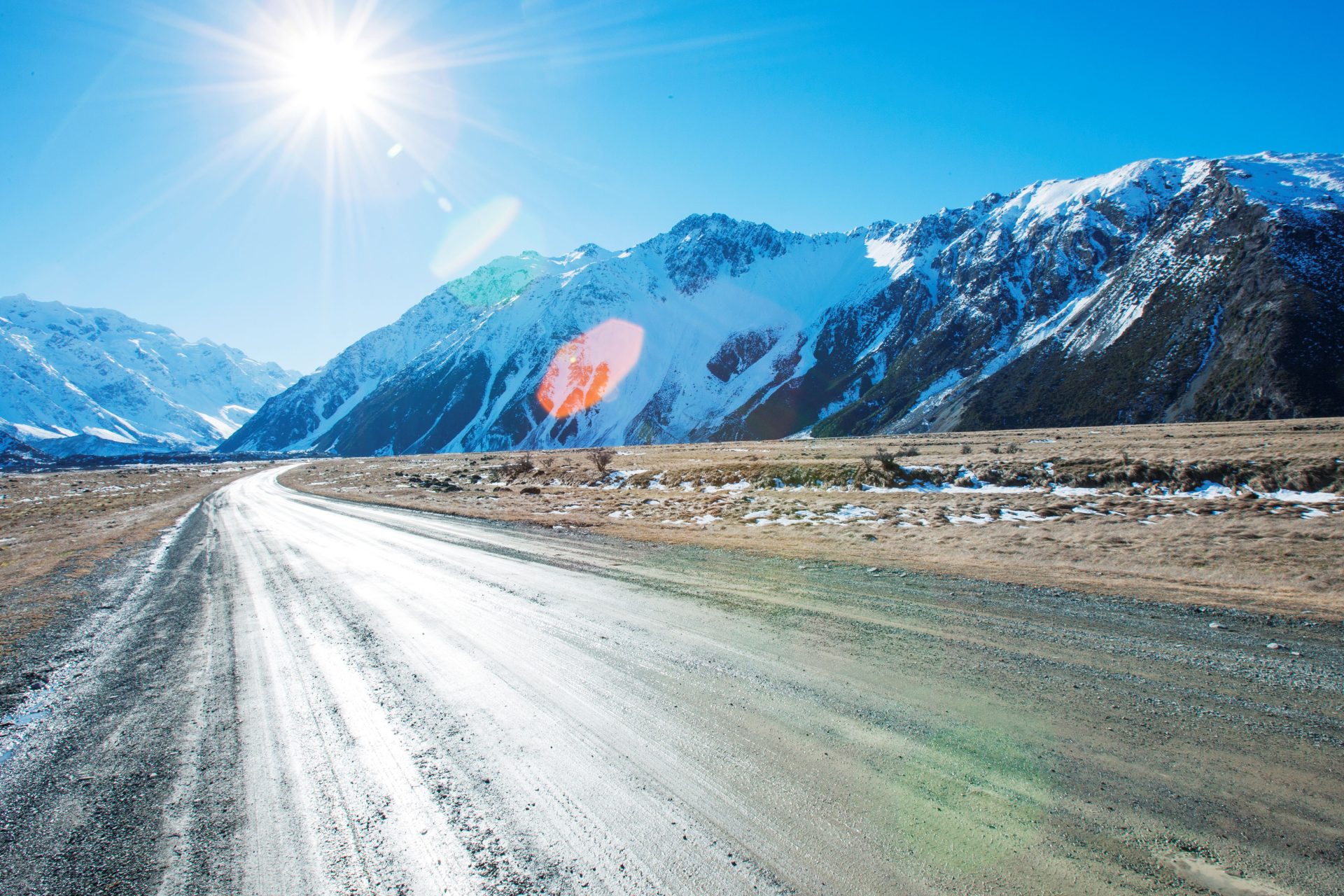
Wide-angle lenses (e.g., 10–35mm) are perfect for landscapes, cityscapes, and large group shots. Imagine capturing the panoramic view of Table Mountain or the sweeping Blyde River Canyon.
-
Standard lenses (e.g., 35–70mm) mimic the human eye and are ideal for street photography, casual portraits, or smaller landscape scenes.
-
Telephoto lenses (e.g., 70mm+) narrow your view, magnifying distant subjects. These are perfect for photographing elephants on safari or capturing the action at a rugby match in Cape Town.
Prime vs Zoom Lenses: How Lens Choice Affects Angle of View in Photography
Prime lenses have a fixed focal length and deliver excellent image quality, but you need to move physically to change the composition. For example, using a 50mm prime lens at Kirstenbosch Gardens gives stunning floral and landscape shots with minimal distortion.
Zoom lenses offer variable focal lengths, providing flexibility for photographers in South Africa who may want to capture both wide cityscapes and distant wildlife without switching lenses constantly.
What is Wide Angle: Features of a Wide-Angle Lens in South African Photography
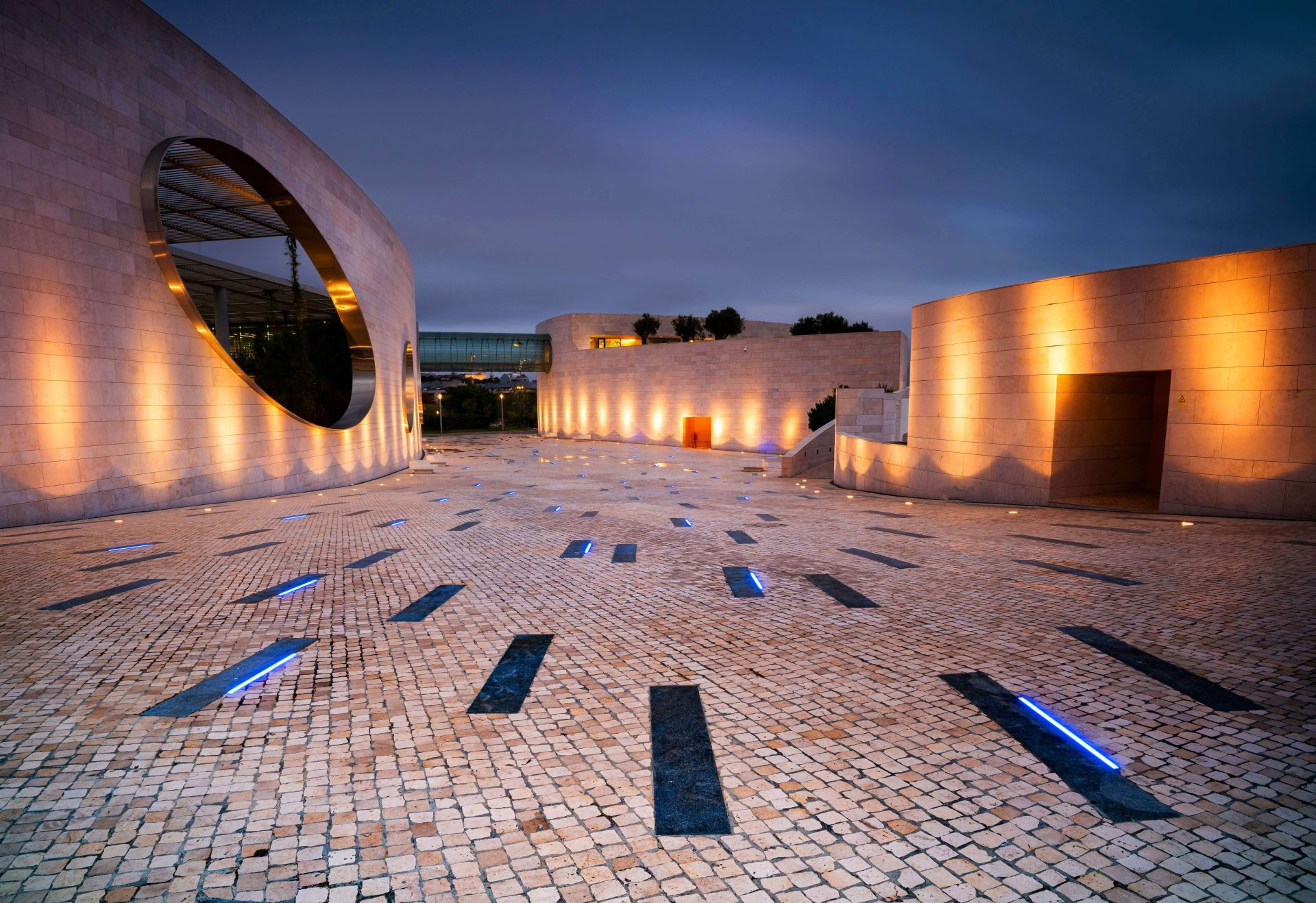
Wide-angle lenses capture a larger scene and emphasize depth and perspective. They are perfect for dramatic landscapes, dynamic city photography, and tight interior shots.
Using a wide-angle lens, photographers can create immersive images of:
-
Table Mountain during sunrise or sunset
-
Garden Route landscapes with rivers and cliffs
-
Blyde River Canyon and other South African panoramic vistas

Best South African Scenes for Wide-Angle Photography
-
Jacaranda-lined streets in Pretoria during bloom
-
Cape Town Waterfront and cityscapes
-
Sunrises over the Karoo
-
Hiking trails in the Drakensberg or Cederberg
Wide-angle lenses help capture the grandeur and scale of these scenes, making your photographs feel alive.

Standard Lens Characteristics and Angle of View in Photography
Standard lenses offer an angle of view similar to the human eye. They provide a natural perspective without distortion, making them ideal for everyday photography.
-
Family portraits or pet photography at Johannesburg parks
-
Casual street photography in the Maboneng Precinct
-
Close-up landscapes or flower shots in Kirstenbosch Gardens

South African Photography Scenes Ideal for Standard Lenses
-
Urban streetscapes in Cape Town and Durban
-
Cafes and markets in Johannesburg
-
Coastal walks along the Western Cape
Standard lenses provide flexibility and natural-looking images for a variety of situations.
Telephoto Lens Features: Focal Length and Angle of View in Photography
Telephoto lenses have a narrow angle of view and magnify distant subjects. They are invaluable for capturing wildlife, sports, and distant landscape features.
-
Wildlife photography at Kruger, Addo Elephant Park, or Pilanesberg
-
Sports photography, like rugby or cricket matches in Cape Town or Pretoria
-
Mountain photography, isolating peaks in the Drakensberg

Top South African Scenes for Telephoto Lens Photography
-
Elephants, lions, and other wildlife on safari
-
Action at rugby matches or cricket games
-
Distant landscapes along the Garden Route
Telephoto lenses allow photographers to compress the background and highlight subjects with minimal disturbance.
Choosing the Right Lens in South Africa: Tips on Focal Length and Angle of View
When selecting a lens, consider:
-
Aperture (f-stop): Determines depth of field and low-light performance. A wide aperture like f/2.8 is great for wildlife or night shots.
-
Portability: For hikes in the Drakensberg or city explorations, a lighter lens is easier to handle.
-
Lens angle of view (focal length): Choose wide-angle for landscapes, standard for street photography, telephoto for distant subjects.
-
MOD (Minimum Object Distance): Important for close-up shots of flowers, insects, or small wildlife.
-
Autofocus and vibration compensation: Helps capture sharp images during action photography or handheld shooting.
-
Compatibility: Ensure your lens fits your interchangeable lens camera body.
Master Angle of View in Photography: Select the Best Lens for South African Scenes
Understanding angle of view in photography allows you to select the right lens for every situation. Whether you’re capturing panoramic landscapes, intimate street scenes, or wildlife on safari, knowing how focal length affects your camera angle of view ensures your photographs tell the story you intend.
By applying these principles to South African locations and environments, your photography will reflect both creativity and technical skill.

Share on Facebook

Share on X

Share on Pinterest
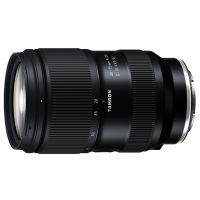
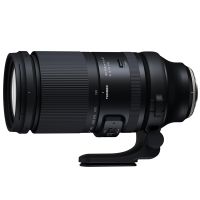
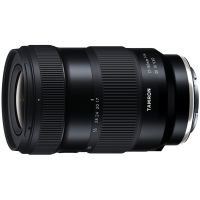
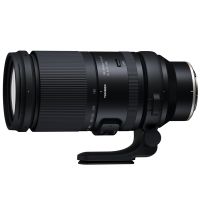
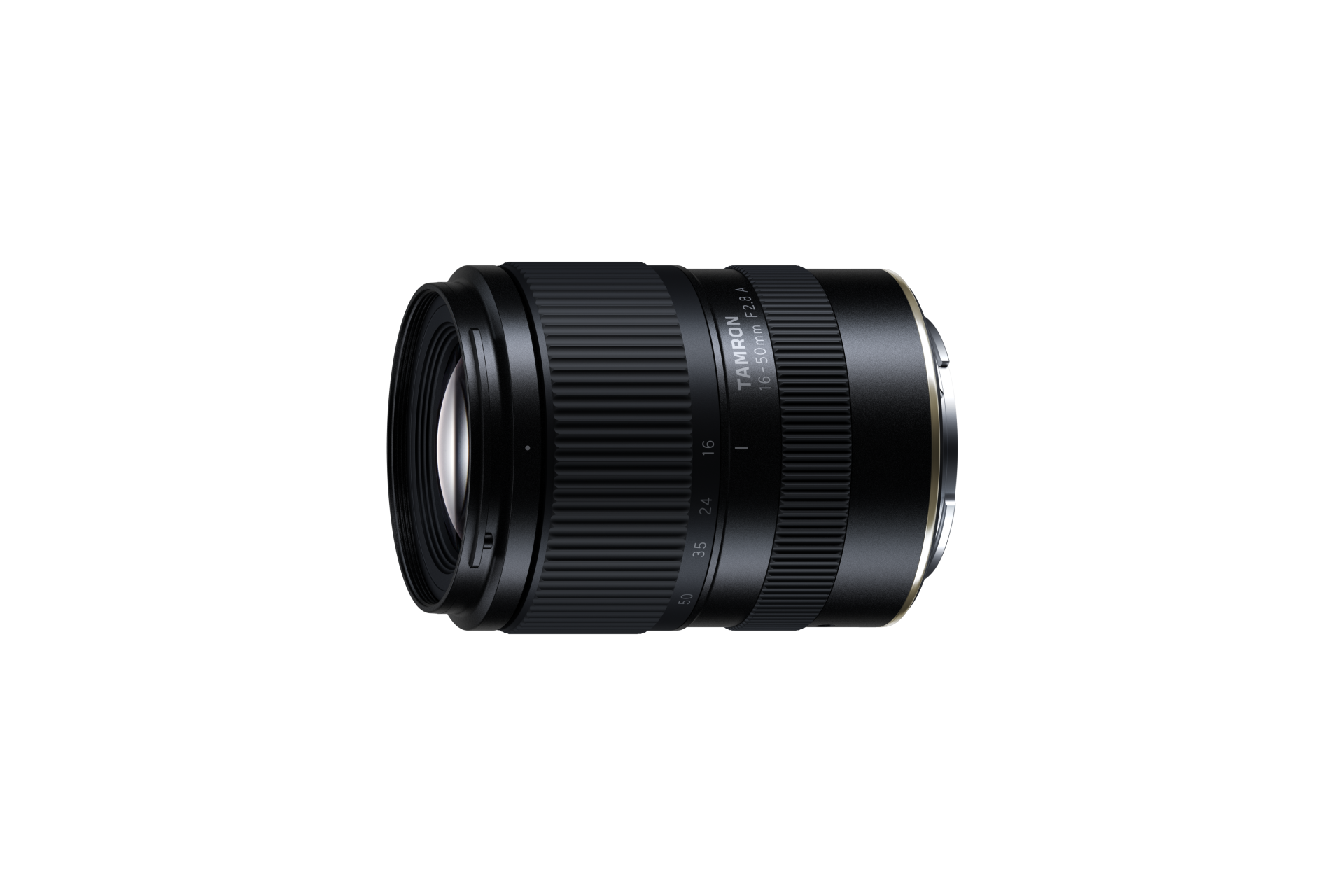
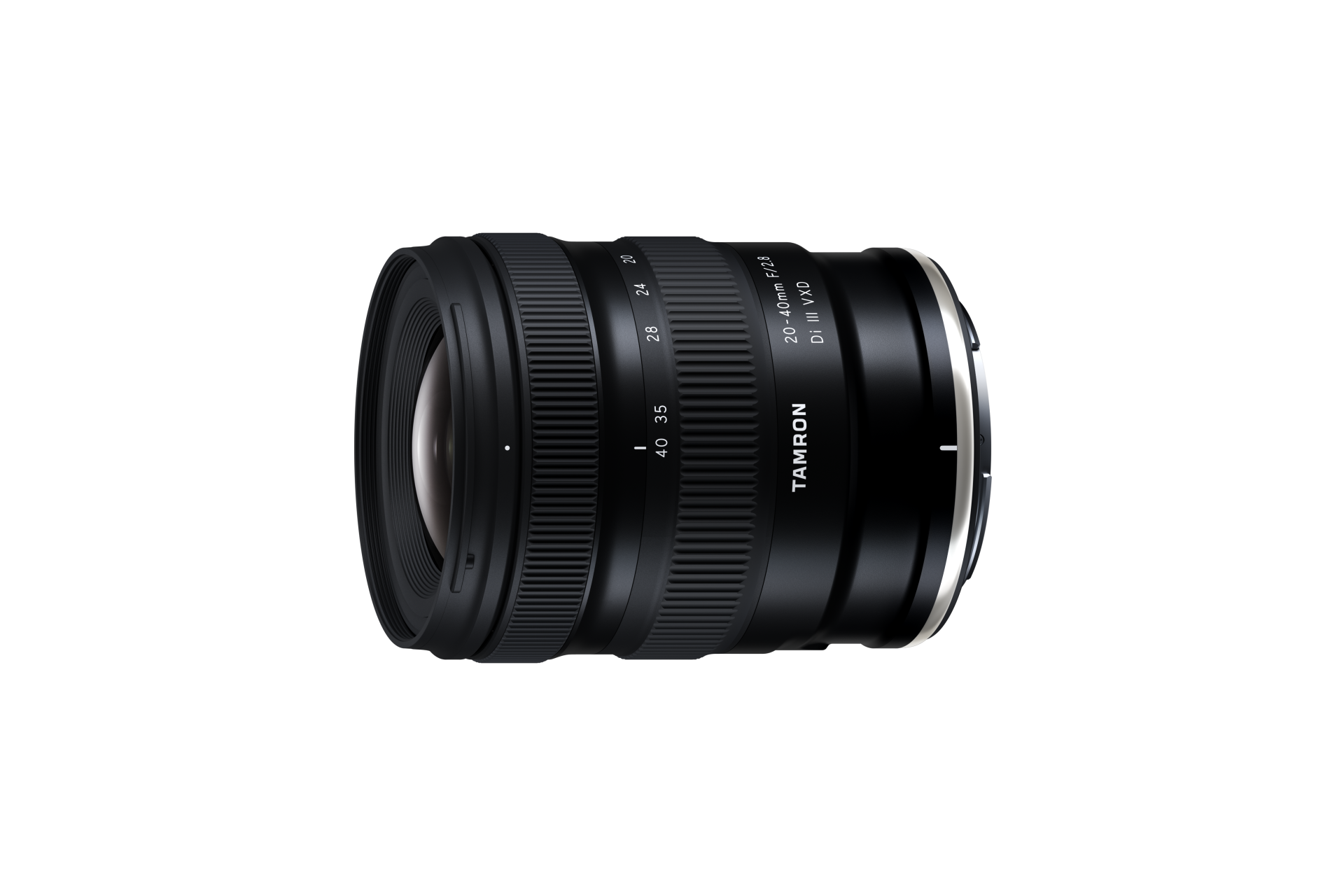
Lenses featured in this article
Comment(s)
Recent Posts

| September 30, 2026