Toggle Nav

Master Sports Day Photography: Tips for South African Schools
January 30, 2026
Capturing the excitement of a sports day requires more than just pointing your camera at the action. Understanding sports day photography principles, choosing the right lens, and knowing your camera settings can help parents and amateur photographers in South Africa capture memorable moments on school fields, athletics tracks, and indoor sports halls.
From sprint finishes on Pretoria school tracks to tug-of-war competitions at Cape Town primary schools, knowing how to approach sports day photography ensures every photo tells the story of the day.
Best Lens Choices for Sports Day Photography in South Africa

Choosing the right lens is crucial for successful sports day photography. Standard zoom lenses may struggle to capture distant action on large SA school fields. Interchangeable-lens cameras, however, provide flexibility and clarity for both wide scenes and close-up action shots.
Using All-in-One Zoom Lenses for Sports Day Photography
All-in-one zoom lenses (e.g., 18–300 mm) are versatile for sports day photography, allowing you to cover wide group events like relay races and close-ups of children crossing the finish line without constantly changing lenses. These lenses are ideal for capturing both action on the field and candid moments in the crowd.
Telephoto Lenses for Close-Up Sports Day Photography
Telephoto lenses (85 mm+) are perfect for isolating subjects and capturing details like expressions and finishing-line intensity. For SA schools, they work well for rugby try shots, cricket fielding action, or sprint finishes from a distance, while maintaining blurred backgrounds for a professional look.
Camera Settings for Sports Day Photography in South Africa
Getting the camera ready with the right settings is key for sports day photography success. Adjusting shooting mode, shutter speed, ISO, aperture, autofocus, and stabilization ensures clear, sharp images in dynamic conditions.
Selecting the Right Shooting Mode for Sports Day Photography
Use “Sports” mode or Shutter Priority mode to keep fast-moving children sharp during races or games. This is especially useful for track events or soccer matches where subjects move unpredictably.
Shutter Speed Tips for Capturing Fast Action
Fast shutter speeds (e.g., 1/1000 sec) help freeze action in sprints or ball games. Slower speeds may be used creatively for motion blur, but only in low-light situations like indoor gym events.
Adjusting ISO for Sports Day Photography
Set ISO according to lighting conditions. Bright outdoor conditions at Cape Town or Durban schools may require low ISO (100–400), while indoor or overcast conditions may need higher ISO (800–1600) to maintain proper exposure.
Using Aperture Effectively for Sports Day Photography
A mid-range aperture (f/4–f/8) balances depth of field and light capture. Wide apertures can isolate subjects, while smaller apertures ensure multiple children in focus for group shots.
Using Continuous AF for Sports Day Photography
Continuous autofocus (AF-C) allows your camera to track moving subjects like runners, rugby players, or children tossing balls, ensuring sharp focus even with fast motion.
Stabilization Tips for Clear Sports Day Photography
Image stabilization helps reduce blur when shooting handheld with long lenses, especially during telephoto action shots or when capturing events on uneven ground.
Capturing Various South African Sports Day Events
Different sports and activities require specific techniques in sports day photography. Planning positions, anticipating action, and using appropriate lenses can improve results dramatically.
Preparing for Sports Day Photography: Check Rules and Schedule
Check the school’s photography rules, program schedule, and field layout in advance. Position yourself strategically to capture key moments without interfering with other parents or the event.
Photographing Sprints and Relay Races for Sports Day Photography
Capture starts, finishes, and curves with telephoto lenses and fast shutter speeds. Anticipate moments like baton exchanges in relay races on Johannesburg tracks.

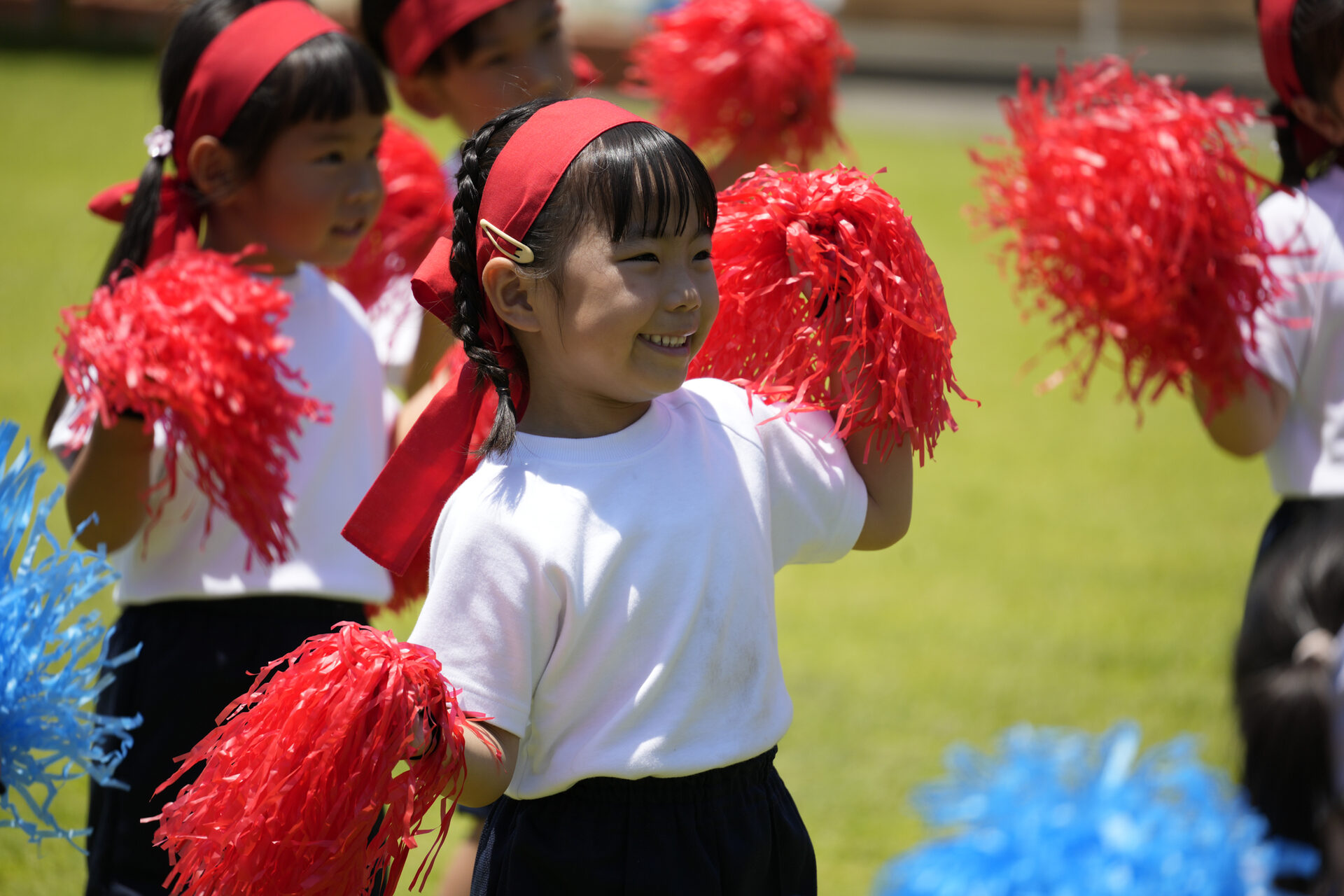
Photographing Dance and Cheer Performances at Sports Day
Wide-angle lenses or standard zooms work best for school dance or cheer routines. Track movement smoothly, frame subjects accurately, and crop later for composition.

Capturing Team Games and Tug-of-War in Sports Day Photography
Use continuous shooting to capture fast group events like tug-of-war or netball matches. Wide-angle lenses can emphasize the dynamic atmosphere and teamwork.
Capturing Candid Moments in Sports Day Photography
Document informal interactions, celebrations, or teacher-student moments outside competition. Standard lenses or all-in-one zooms provide flexibility to move quickly and capture spontaneous expressions.
Using Light and Angles for Better Sports Day Photography
The direction of light and your shooting angle greatly affect sports day photography quality. Morning sun, shade from trees, or stadium lighting can create dramatic effects.
Direction of Light
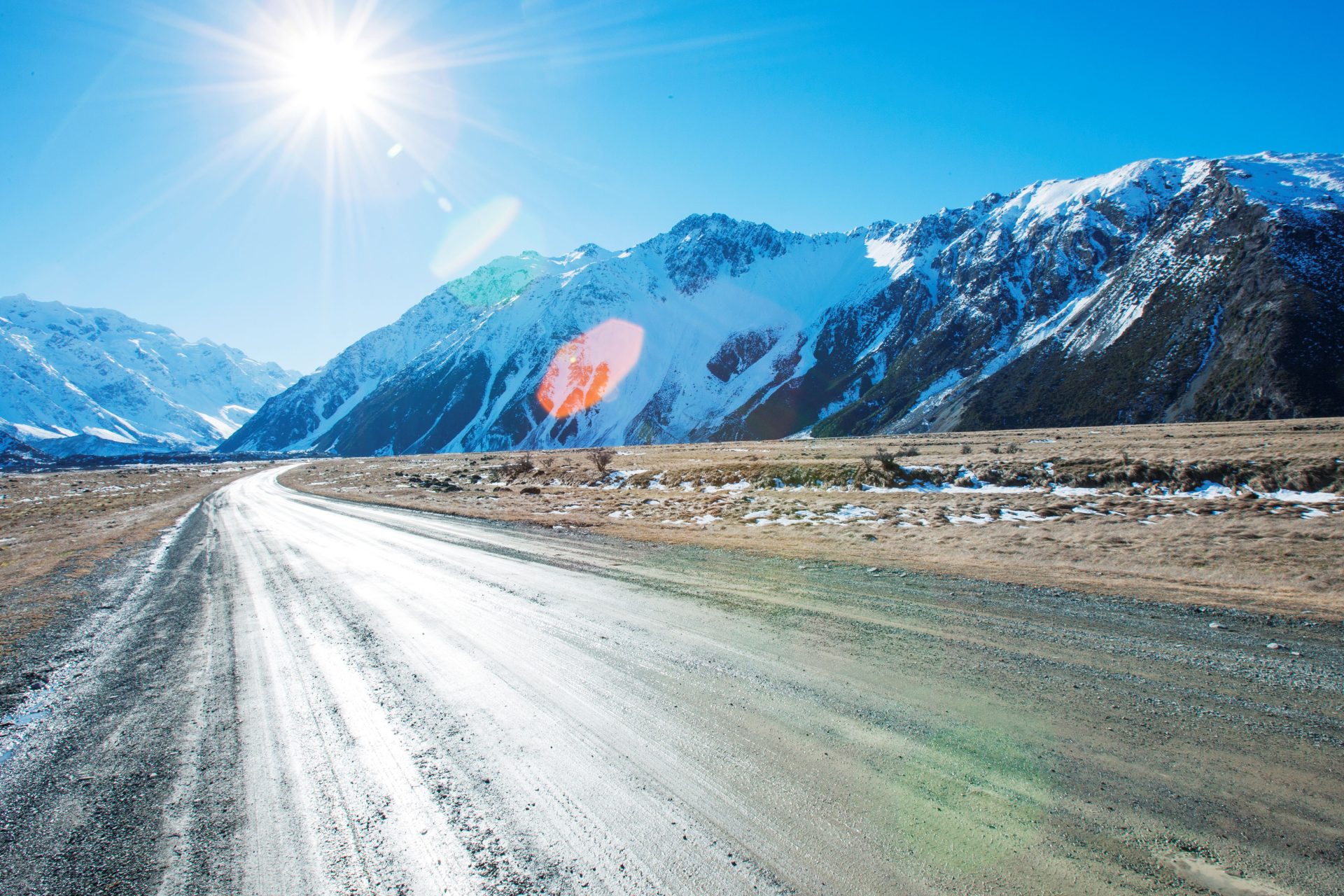
Forward light illuminates faces clearly, side light adds depth, and backlight can produce silhouettes or artistic flare effects. Consider the sun’s position on outdoor fields or gym lighting indoors.
Positions and Angles
Shooting from low angles can make athletes appear more dynamic, while high angles capture the layout and scope of the event. Experiment with vantage points to add visual interest to your sports day photography.
Indoor and Rainy-Day Sports Day Photography Tips
For indoor or rainy-day events, increase ISO, open the aperture wider, and use faster lenses if possible. Avoid flash when permitted, and rely on natural or hall lighting for a softer, more natural image.
Be Respectful While Practicing Sports Day Photography
Respect event rules and other parents when shooting. Avoid blocking view lines, interfering with staff, or using intrusive equipment. Being considerate ensures everyone enjoys the day while you capture great sports day photography.
Choosing Lenses for Effective Sports Day Photography
Lens choice impacts how well you capture action, detail, and the atmosphere of a school sports day.
Focal Length
Telephoto lenses (200–300 mm) or all-in-one zooms are ideal for distance shots, like rugby tries or soccer goals.
Size and Weight
Compact, lightweight lenses are easier to carry and maneuver across large school fields.

Maximum Aperture F-number
A lens with a wider maximum aperture helps in indoor halls or low-light conditions, like overcast outdoor events.
AF Performance
Smooth and responsive autofocus is essential to track moving children accurately.
Image Stabilization Mechanism
Built-in stabilization reduces blur, especially useful when hand-holding telephoto lenses for extended periods.
Enjoy Sports Day Photography: Capture Memorable South African School Moments
By using these tips, lenses, and techniques, you can master sports day photography in South African schools. Capture action, emotion, and the festive atmosphere to create lasting memories of the day for children, parents, and teachers alike.

Share on Facebook

Share on X

Share on Pinterest
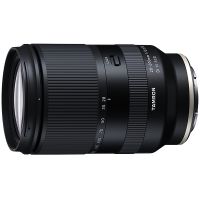
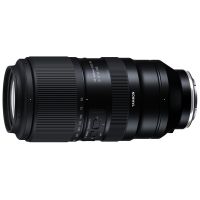
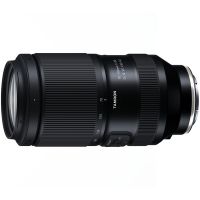
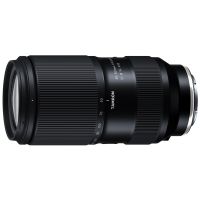
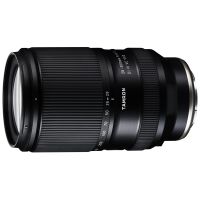
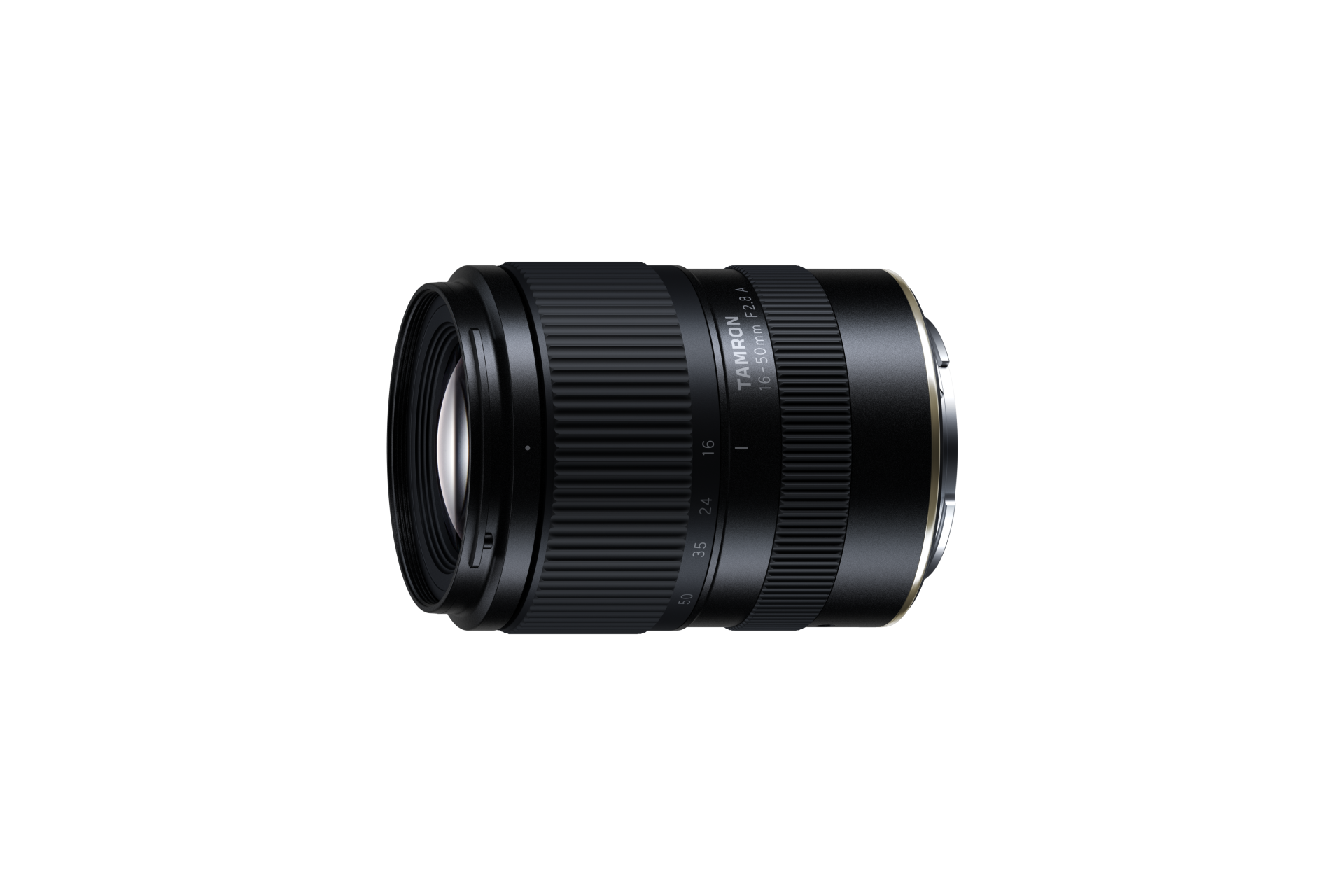
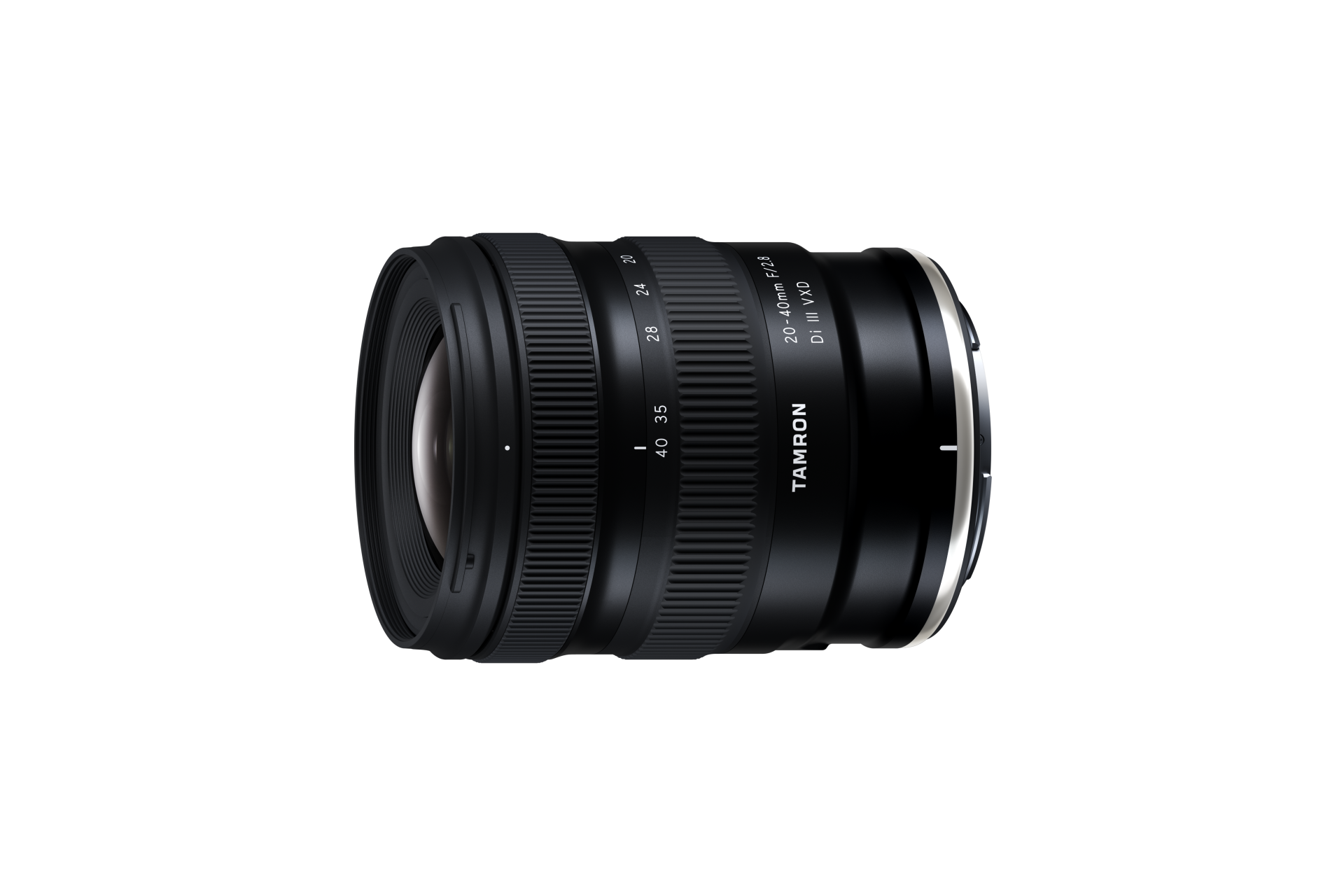
Lenses featured in this article
Comment(s)
Recent Posts

| September 30, 2026