Toggle Nav

Motorsports Photography Techniques: How to Capture High-Speed Racing in South Africa
February 16, 2026
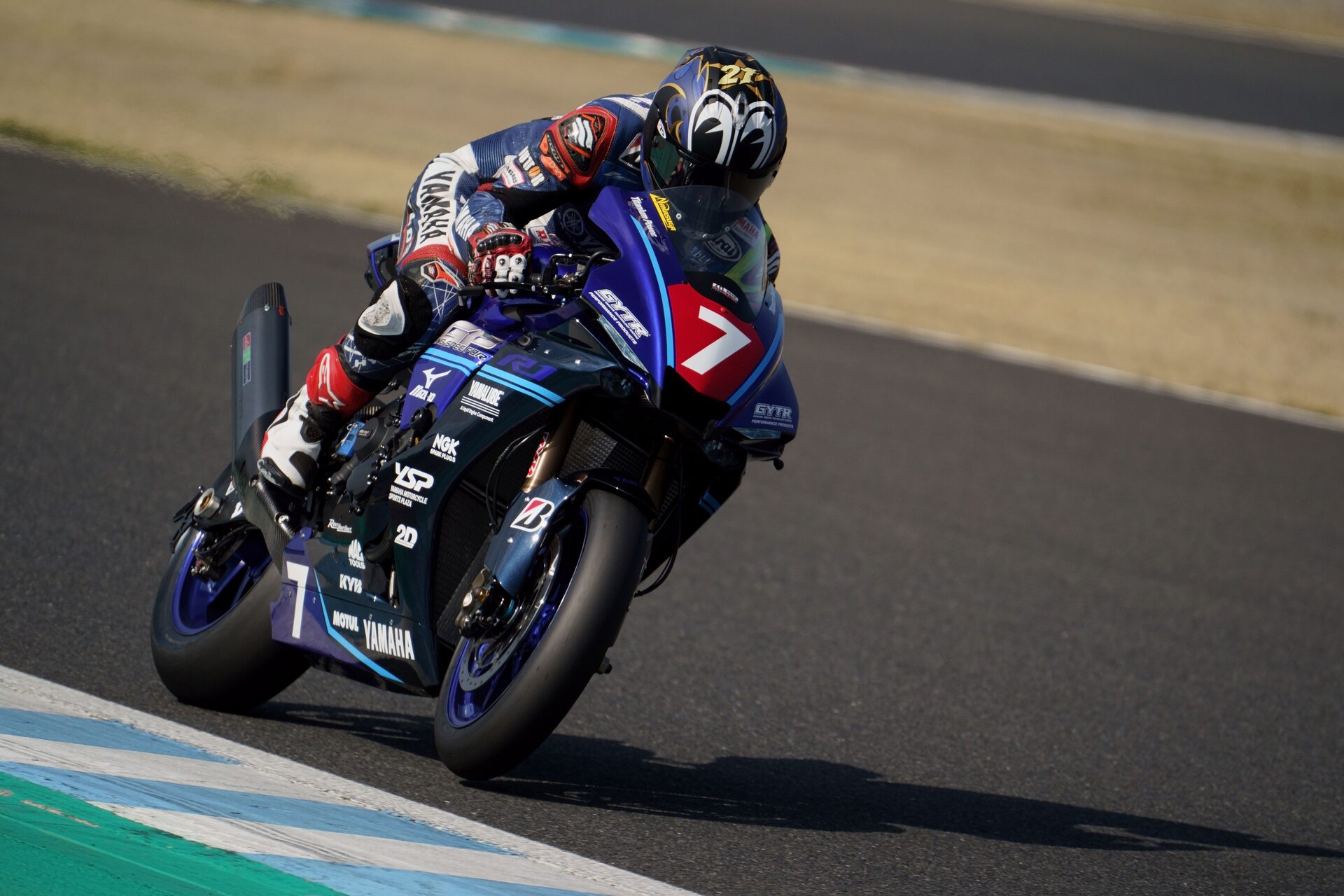
Motorsports photography techniques are essential for capturing the speed, intensity, and emotion of racing. Whether you’re shooting at Kyalami Grand Prix Circuit, Red Star Raceway, or a regional rally event in the Western Cape, the right approach makes all the difference. From selecting the right motorsports photography camera to choosing the ideal focal length for motorsports, success depends on preparation, precision, and the correct motorsports photography equipment. South Africa’s bright sunlight, dusty rally conditions, and wide-open circuits create unique challenges - but they also offer incredible creative opportunities.
In this guide, we’ll break down the most effective motorsports photography techniques to help you capture sharp, dynamic, professional-quality racing images.
Choosing the Right Telephoto Lens
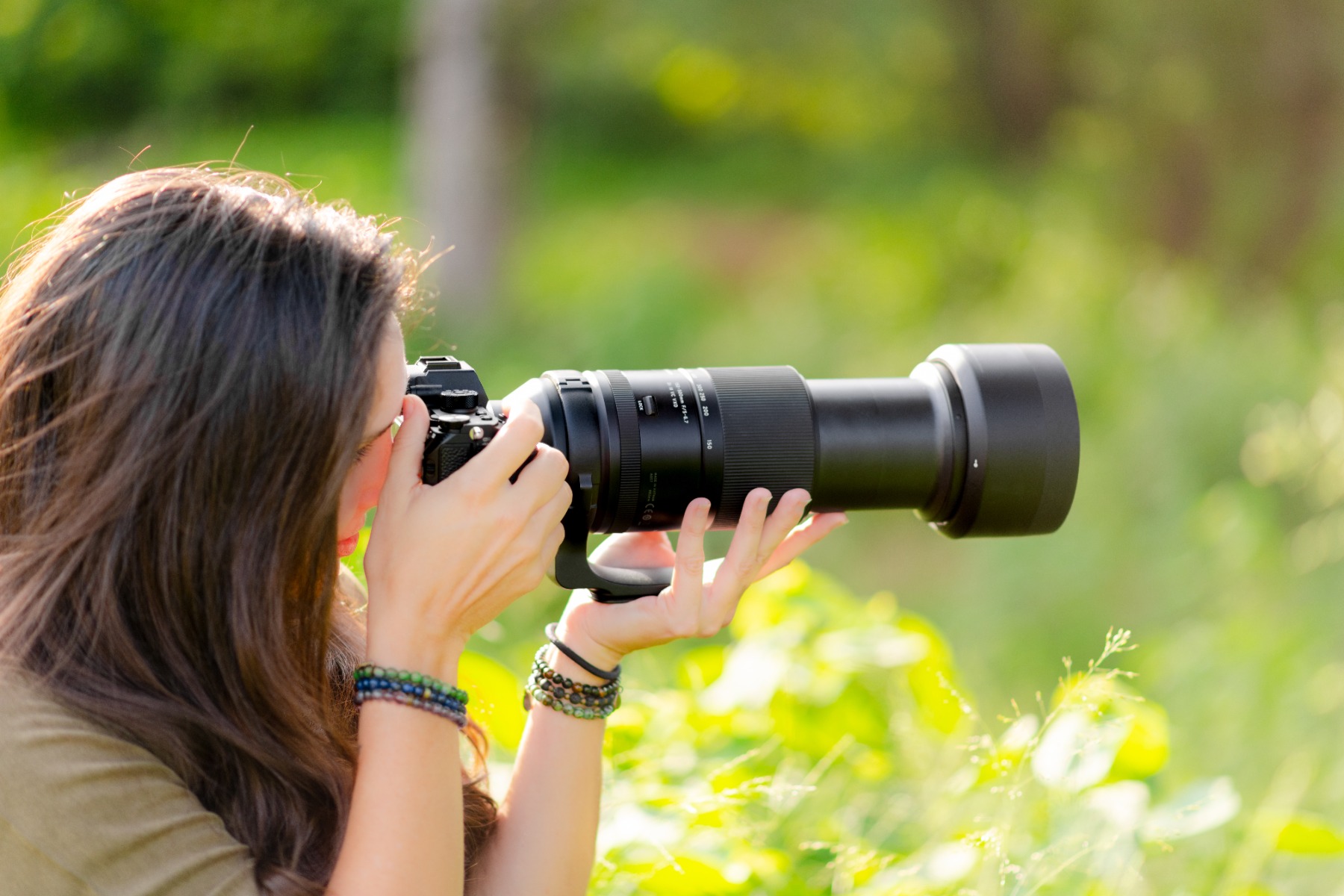
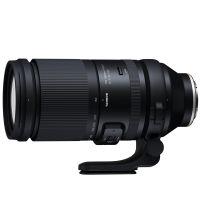
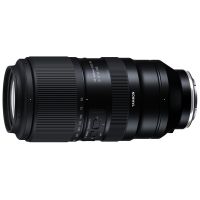
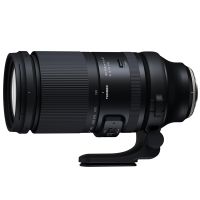
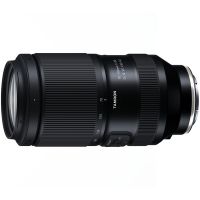
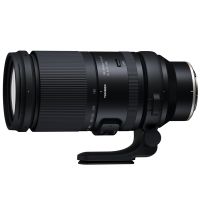
A powerful telephoto lens is the foundation of successful motorsports photography techniques. At major South African circuits, spectators are often positioned far from the track, making reach essential. A quality motorsports photography lens typically starts at 200mm. For greater flexibility, many photographers use a 70-200mm lens for closer action and a 150-600mm lens for long straights and distant corners.
Focal Length for Motorsports
The ideal focal length for motorsports depends on your shooting position:
- 200-300mm: Ideal for trackside corners and pit lane.
- 400-600mm: Best for capturing cars at high speed on long straights.
- Wide-angle (24–70mm): Useful for paddock storytelling and environmental shots.
At circuits like Kyalami, longer focal lengths allow you to isolate cars cleanly against blurred backgrounds, enhancing the sense of speed.
When to Use a Monopod for Motorsports
A monopod for motorsports is highly recommended, especially when using heavy telephoto lenses during full race days. Unlike a tripod, a monopod provides mobility while reducing arm fatigue. This is particularly useful under the strong Gauteng sun, where races can last several hours. A monopod for motorsports also improves stability when tracking cars through corners, helping maintain smoother panning motion. Tripods are generally impractical at busy circuits due to limited space and movement restrictions.
Essential Motorsports Photography Settings
Dialing in the correct motorsports photography settings is critical for sharp results. South Africa’s intense daylight allows for fast shutter speeds, but changing weather conditions — especially coastal races near Cape Town — require flexibility.
Best Shooting Modes
Shutter Priority (Tv or S mode) is ideal for beginners focusing on motion control. Manual mode provides greater control once you are comfortable adjusting exposure quickly. Continuous autofocus (AF-C) is essential for tracking fast-moving vehicles.
Aperture Settings
An aperture between f/5.6 and f/11 works well for most track situations. Wider apertures isolate the subject and blur distracting backgrounds, while narrower apertures increase overall sharpness when multiple cars are in frame.
Shutter Speed Settings for Professional Motorsports Photography Techniques
To freeze action:
- 1/1000s or faster for high-speed straights.
- 1/500s for cornering action.
For panning shots:
-
1/125s to 1/320s creates dynamic motion blur.
ISO Settings for Bright and Low-Light
In bright South African sunlight, ISO 100–400 is usually sufficient. During overcast weather or sunset racing, ISO may need to increase to 800–1600 while maintaining acceptable image quality — especially when using full-frame for motorsports photography.
Trackside Shooting Tips for South Africa
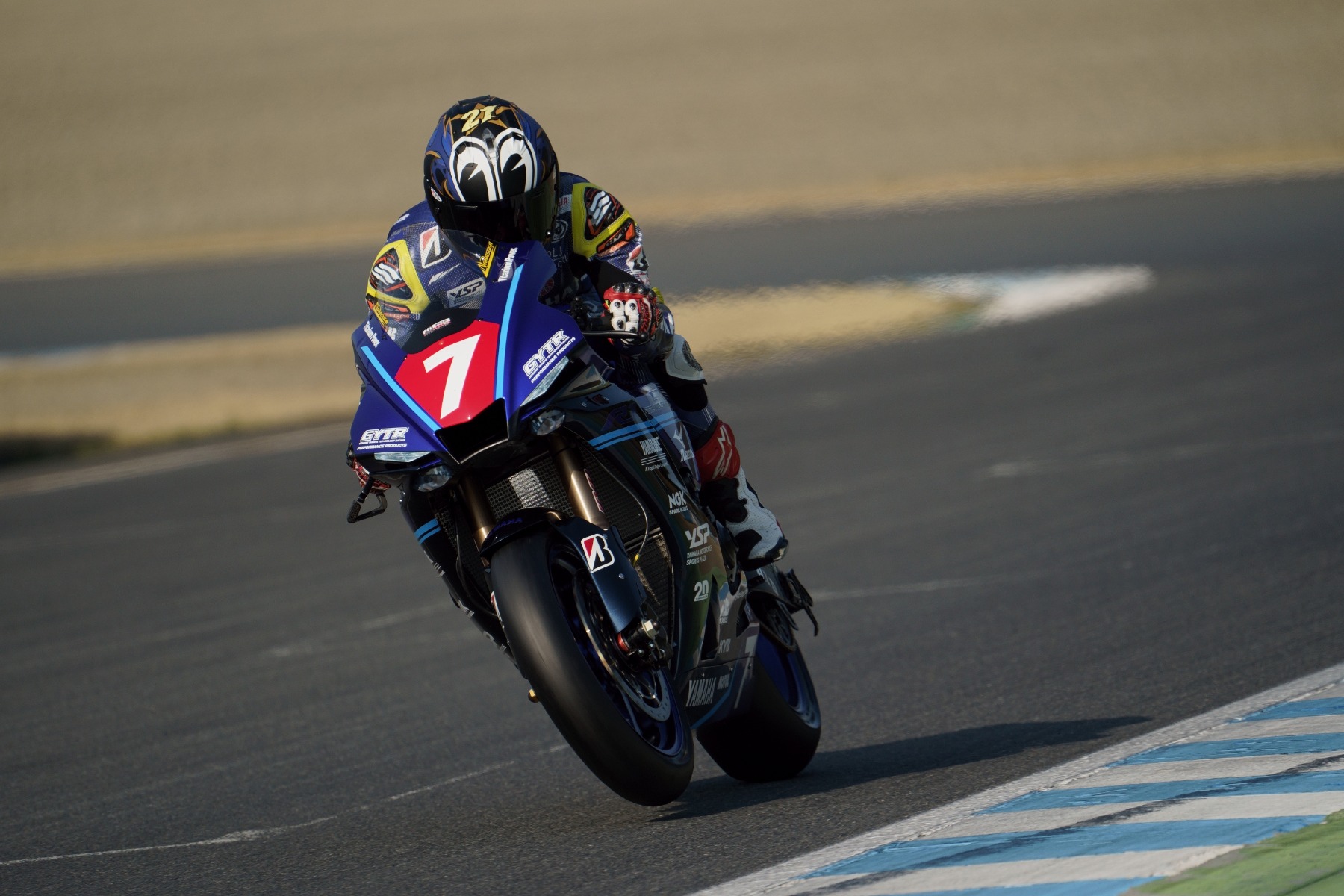
Preparation is key when applying motorsports photography techniques successfully.
Arrive early to scout angles and observe how sunlight falls on the track. On Highveld circuits, the direction of light changes dramatically throughout the day.
Be aware of dust during rally events. Protect your motorsports photography equipment with weather-sealed gear whenever possible.
Preparation Tips for Successful Motorsports Photography
- Study the race schedule.
- Identify high-action corners.
- Check wind direction.
- Clean lenses frequently in dusty conditions.
Autofocus Techniques
Your motorsports photography camera should be set to continuous AF with zone or tracking modes enabled. Back-button focus can improve consistency when tracking cars exiting tight corners.
Composition Strategies in Advanced Motorsports Photography Techniques
Strong composition enhances the storytelling aspect of motorsports photography techniques. Position vehicles off-center using the rule of thirds. Leave space in front of the car to suggest movement and direction. Experiment with low angles near the track barrier for dramatic perspectives.
Creative Framing Techniques
Track fencing can obstruct shots, but you can minimize its appearance by:
- Using a wide aperture.
- Placing the lens close to the fence.
- Focusing beyond the barrier.
This technique is particularly useful at spectator-accessible areas.
Advanced Panning Motorsports Photography Techniques
Panning is one of the most exciting motorsports photography techniques. Follow the vehicle smoothly while using a slower shutter speed. Keep your body rotating at the hips rather than moving your arms independently.
Shutter Speed for Panning
Start around 1/250s and gradually reduce speed as you gain confidence.
Creating Speed with the Background
Grass, track kerbs, and grandstands create streaked backgrounds that enhance the sensation of speed.
Using ND Filters
In bright conditions, an ND filter allows slower shutter speeds without overexposure.
Motorsports Photography Techniques for Different Racing Scenarios
Different racing disciplines require adapted motorsports photography techniques.
Racing Cars
Capture braking points and apex moments for dramatic tire smoke and aggressive angles.
Motorcycle Racing
Focus on rider body positioning and lean angles through corners.
Bad Weather and Low Light
Rain adds atmosphere and spray trails. Increase ISO and use stabilization to maintain sharpness.
Selecting the Right Motorsports Photography Lens
Choosing the correct motorsports photography lens impacts sharpness, tracking ability, and versatility.
Full-Frame for Motorsports Photography
Full-frame for motorsports photography provides superior low-light performance and wider dynamic range. Crop sensors offer additional reach, which can be helpful when access is limited.
Autofocus Performance
Fast and accurate autofocus is critical for capturing split-second action.
Image Stabilization
Stabilization improves handheld shooting, especially during long race sessions.
Weather Resistance
Dust and unpredictable weather make moisture-resistant construction an important consideration for motorsports photography equipment.
Master Motorsports Photography Techniques and Capture South Africa’s Racing Energy
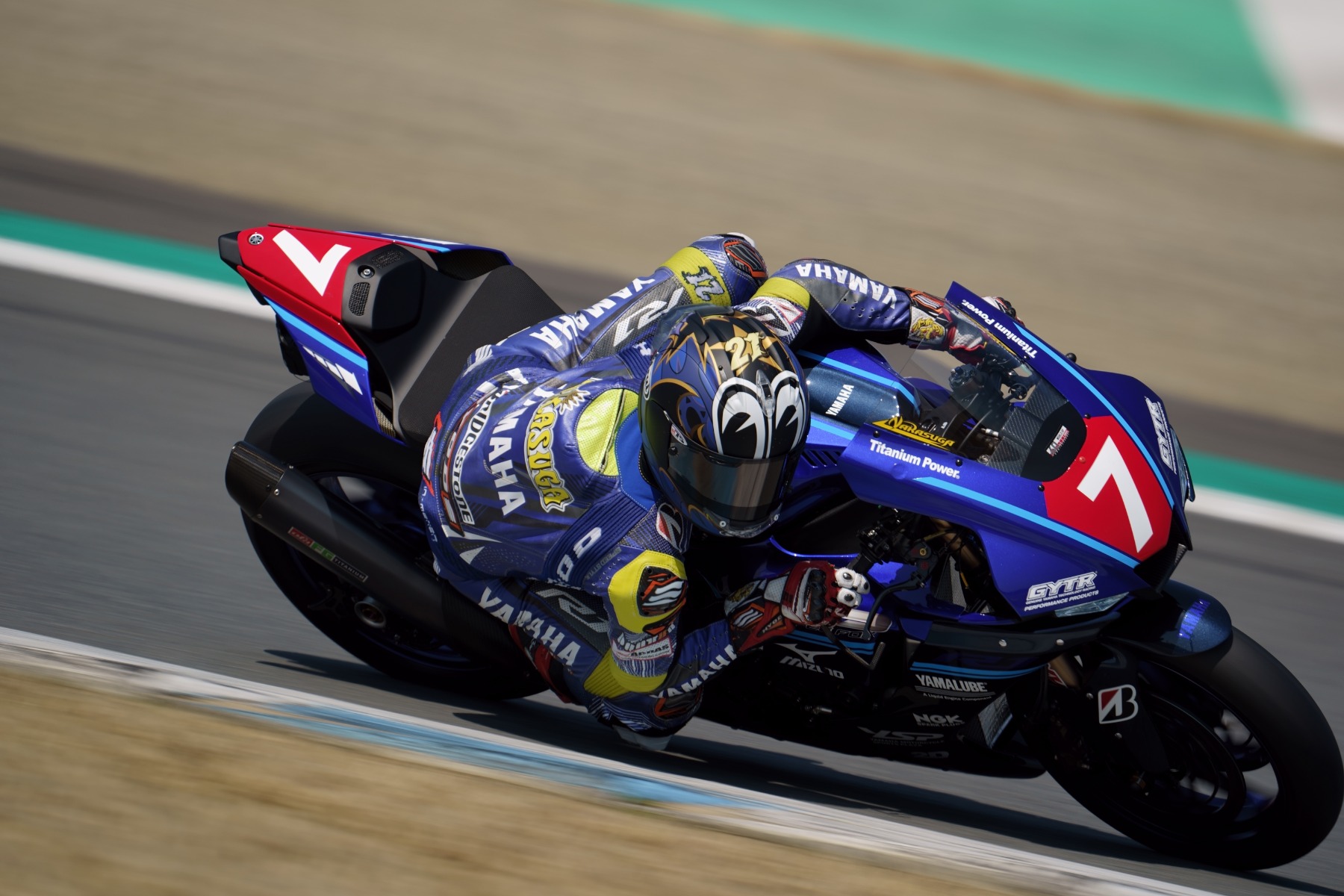
Motorsports photography techniques require practice, patience, and the right equipment. With the proper motorsports photography camera, an appropriate focal length for motorsports, and carefully selected motorsports photography settings, you can capture images that showcase the true energy of South African racing. Whether you’re shooting local track days or professional events, mastering these motorsports photography techniques will elevate your work and help you tell powerful racing stories.

Share on Facebook

Share on X

Share on Pinterest
Lenses featured in this article
Comment(s)
Recent Posts

| September 30, 2026