Toggle Nav

What is a Standard Zoom Lens? A Practical Guide for South African Photographers
March 20, 2026
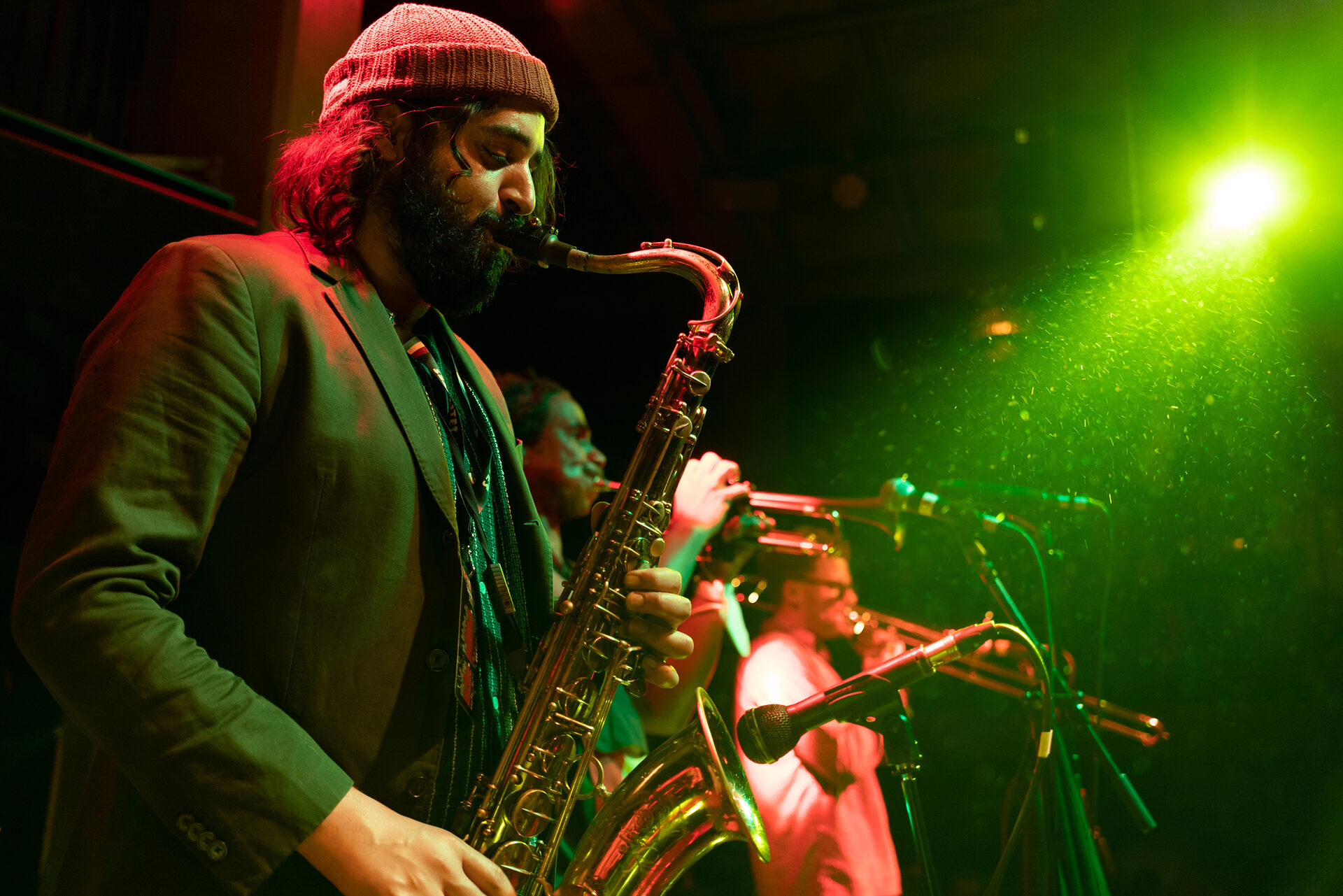
A standard zoom lens is one of the most versatile tools a photographer can own, especially in a country as visually diverse as South Africa. From the vibrant streets of Johannesburg to the scenic coastlines of Cape Town, this type of lens allows you to capture a wide range of subjects without constantly changing gear.
Whether you're photographing everyday moments, weekend getaways, or casual wildlife encounters, a standard zoom lens offers a natural perspective that closely matches how we see the world. This makes it an ideal choice for beginners and experienced photographers alike.
What Is a Standard Zoom Lens and Why It’s Ideal for South African Photography
A standard zoom lens typically covers a focal range such as 24–70mm (full-frame equivalent), sitting between wide-angle and telephoto lenses. This range allows you to shoot both slightly wide scenes and tighter compositions without switching lenses.
In South Africa, where you might move from a city environment to a nature reserve in a single day, this flexibility is especially valuable. You can capture street scenes in Sandton, portraits at a family gathering, and landscapes along the Garden Route—all with one lens.
Another key advantage is the natural look it produces. Images taken with a standard zoom lens closely resemble what your eyes see, making them feel more authentic and less distorted than ultra-wide shots.
Standard Zoom Lens vs Prime Lens: What South African Photographers Should Know
When choosing between a standard zoom lens and a prime lens, it comes down to flexibility versus specialization.
A prime lens has a fixed focal length, which often results in sharper images and better performance in low light. This makes it a great option for portrait photography or indoor events.
However, a standard zoom lens offers far more convenience. Instead of moving physically to reframe your shot, you can simply adjust the zoom. This is particularly useful when travelling through places like the Cape Winelands or exploring busy markets where movement is limited.
For many South African photographers, a standard zoom lens becomes the go-to option for everyday use, while prime lenses are used for more specific creative purposes.
Standard Zoom Lens vs Wide-Angle Lenses: When to Use Each in South Africa
Key Features of Wide-Angle Lenses Compared to a Standard Zoom Lens
Wide-angle lenses typically cover focal lengths below 35mm and are designed to capture expansive scenes. They offer a broader field of view and can exaggerate perspective, making foreground elements appear larger.
Compared to a standard zoom lens, wide-angle lenses are more specialised and can introduce distortion, especially at the edges of the frame.
When to Choose a Wide-Angle Instead of a Standard Zoom Lens in South Africa
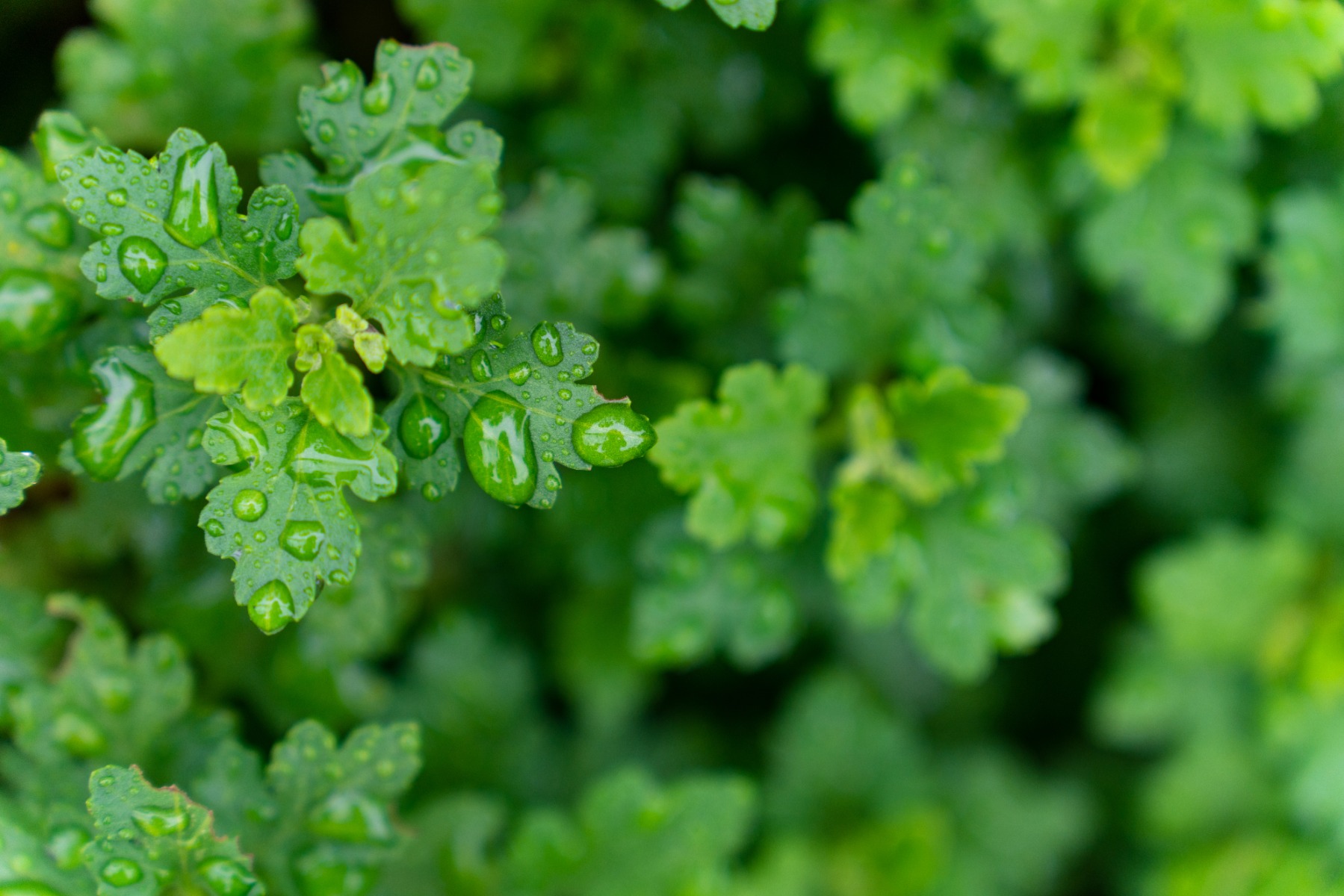
Wide-angle lenses are ideal when you want to capture the full scale of a scene. For example, photographing the dramatic cliffs of the Drakensberg or the sweeping views along Chapman’s Peak Drive benefits from a wider perspective.
On the other hand, a standard zoom lens is better suited for more balanced compositions, such as travel photography or everyday shooting where extreme distortion is not desired.
Standard Zoom Lens vs Telephoto Lenses: Choosing the Right Lens for South Africa
Telephoto Lens Features Compared to a Standard Zoom Lens
Telephoto lenses typically start around 70mm and extend to much longer focal lengths. They allow you to zoom in on distant subjects and create a compressed background effect.
While a standard zoom lens offers versatility, telephoto lenses are more specialised for distance and subject isolation.
When to Use a Telephoto Lens Instead of a Standard Zoom Lens in South Africa
Telephoto lenses are particularly useful for wildlife and sports photography. If you're visiting Kruger National Park or photographing a rugby match, a telephoto lens allows you to capture subjects that are far away.
A standard zoom lens, however, is more practical for day-to-day photography, travel, and situations where you need flexibility rather than reach.
Best Scenes to Capture with a Standard Zoom Lens in South Africa
Portraits and Everyday Moments with a Standard Zoom Lens
A standard zoom lens is perfect for capturing natural-looking portraits and candid moments. Whether you're photographing friends at a braai or documenting daily life, it provides flattering perspectives without distortion.

Capturing South African Cityscapes with a Standard Zoom Lens
From the modern skyline of Sandton to the colourful streets of Bo-Kaap, a standard zoom lens allows you to frame urban scenes with ease. You can quickly switch between wider shots and tighter compositions without changing lenses.
Photographing South African Landscapes with a Standard Zoom Lens
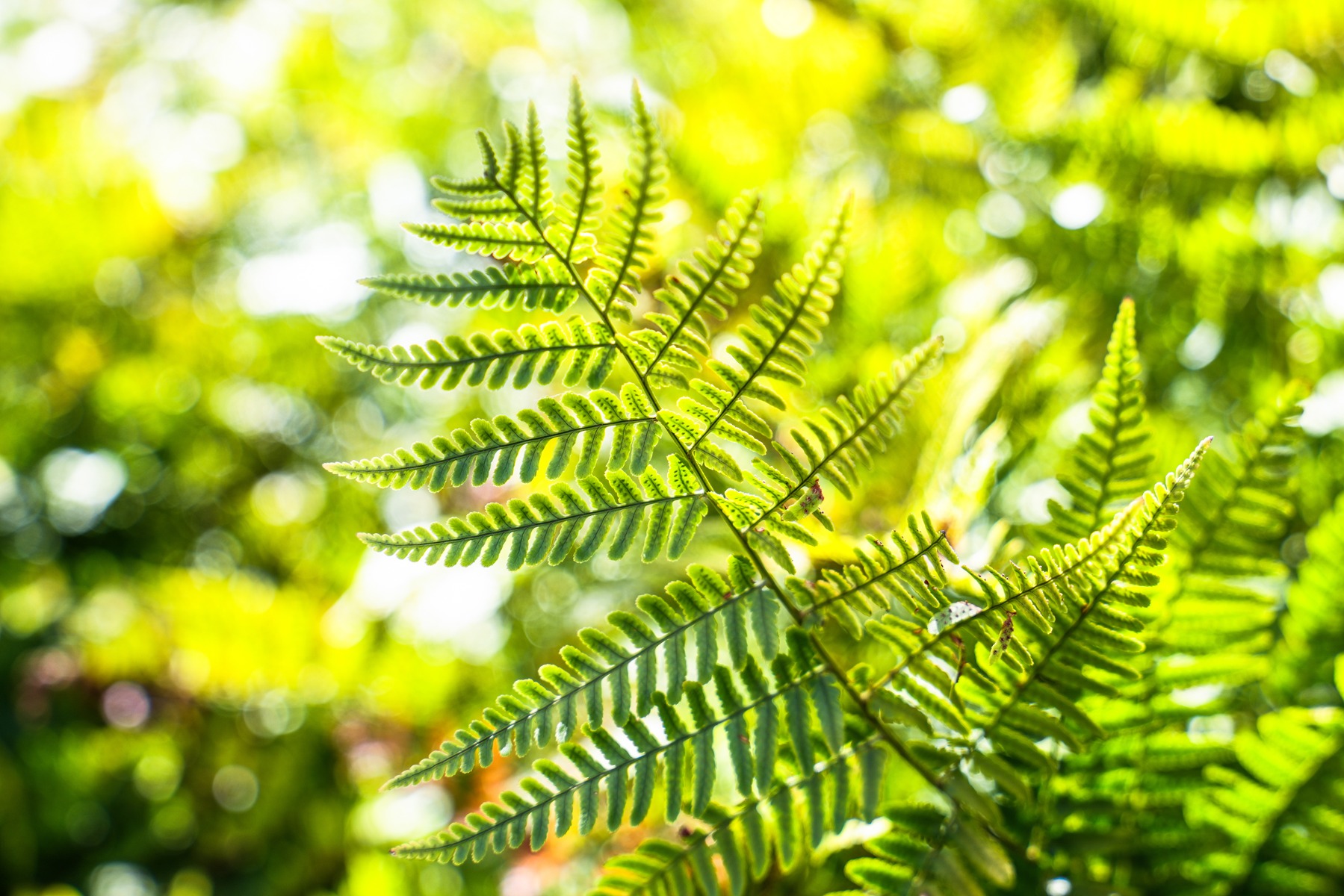
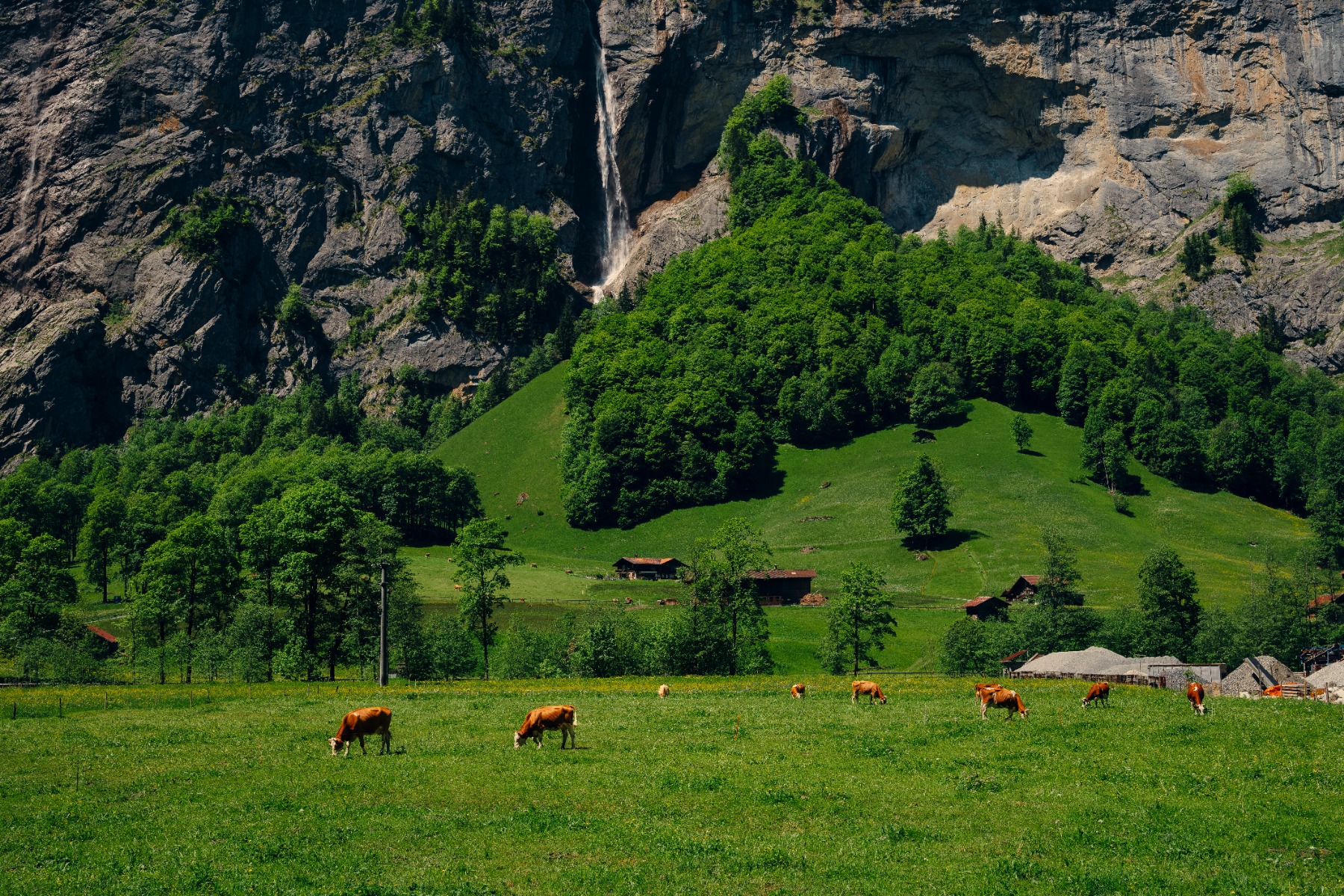
While wide-angle lenses are often used for landscapes, a standard zoom lens is excellent for more focused compositions. It works well in places like the Garden Route or the Cape Winelands, where you may want to isolate specific elements within a scene.
Food and Lifestyle Photography with a Standard Zoom Lens
South Africa’s café culture offers plenty of opportunities for food photography. A standard zoom lens allows you to capture dishes, coffee, and table settings with a natural perspective that feels inviting and realistic.

Photographing Pets and Wildlife with a Standard Zoom Lens
For pets and nearby animals, a standard zoom lens provides enough reach while maintaining flexibility. While it won’t replace a telephoto lens for safaris, it’s ideal for casual wildlife moments and everyday pet photography.

How to Choose the Best Standard Zoom Lens for South African Conditions
Key Features to Look for in a Standard Zoom Lens
When selecting a standard zoom lens, there are several important factors to consider:
- Maximum aperture: A wider aperture (e.g., f/2.8) is useful for low light and background blur
- Focal length range: Common ranges like 24–70mm offer excellent versatility
- Size and weight: Important for travel and long shooting days
- Autofocus performance: Essential for capturing moving subjects
- Image stabilisation: Helps reduce blur when shooting handheld
- Durability: Useful for outdoor shooting in varied South African conditions
Choosing the right lens depends on how and where you plan to shoot, but a good standard zoom lens will handle most situations with ease.
A standard zoom lens is one of the most practical and adaptable lenses you can use in South Africa. Its ability to handle everything from portraits to landscapes makes it an essential part of any photographer’s kit.
Whether you're exploring city streets, travelling along the coast, or capturing everyday life, this lens offers the flexibility and reliability needed to get the shot.

Share on Facebook

Share on X

Share on Pinterest
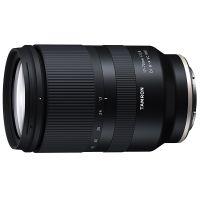
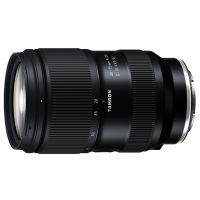
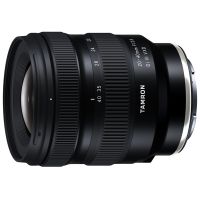
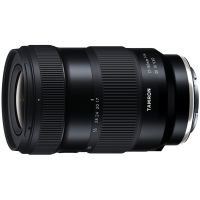
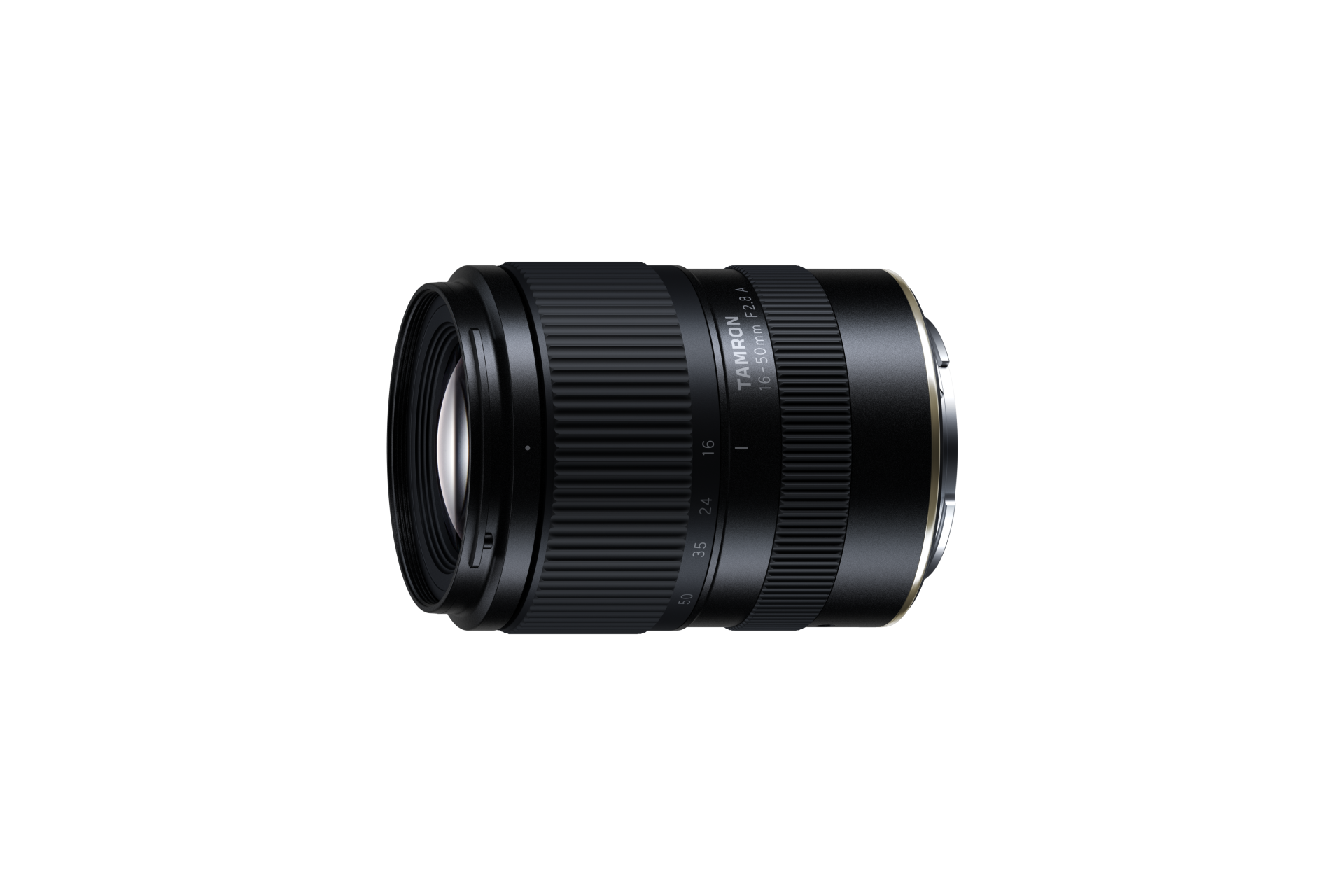
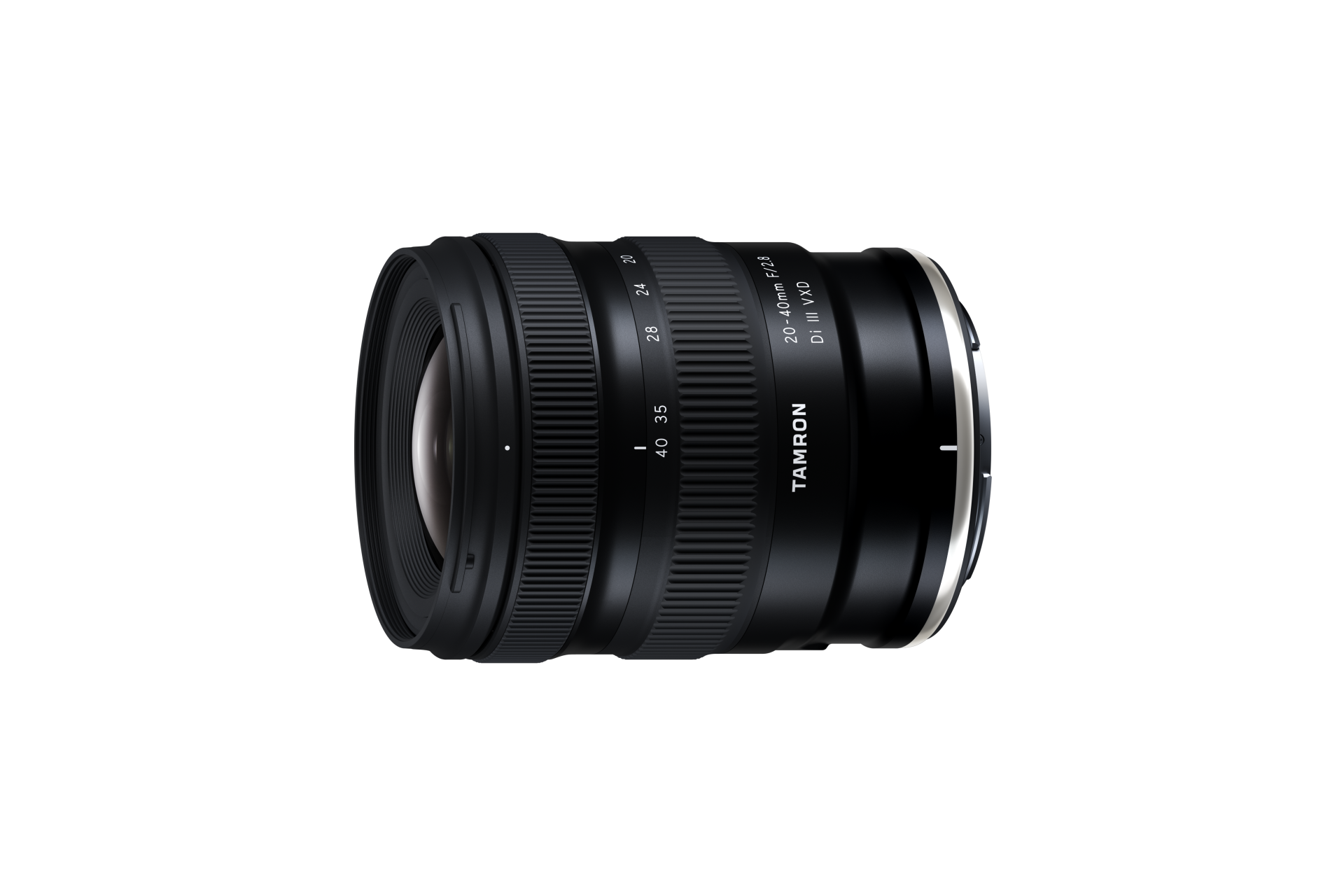
Lenses featured in this article
Comment(s)
Recent Posts

| September 30, 2026